
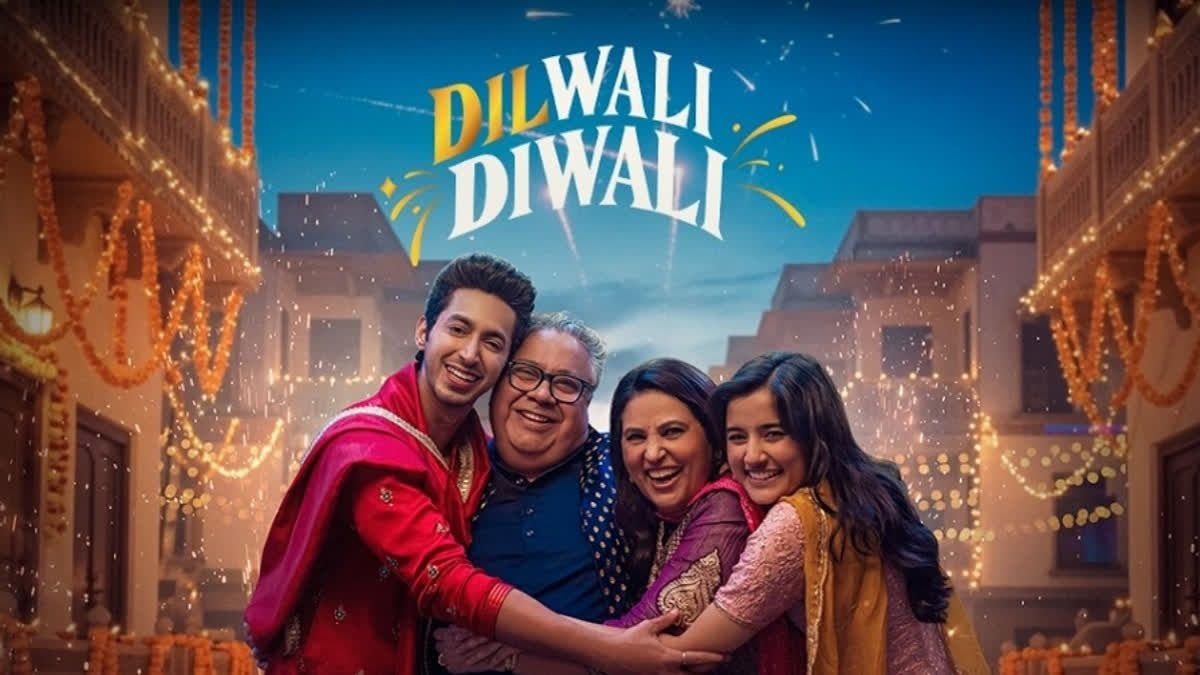
Dilwali Diwali Movie Review: Not every family wants a bigger house, expensive furniture or a luxurious lifestyle. Sometimes, the greatest happiness comes from living in a place filled with childhood memories, familiar neighbours and people who have been part of life’s journey. Dilwali Diwali explores this simple yet meaningful idea through the story of a Punjabi family caught between modern comforts and emotional attachment to their old home. Starring Manoj Pahwa, Mihir Ahuja, Neelu Koli and Aurra Bhatnagar Badoni, this Hindi family drama brings together comedy, relationships and an emotional message about belonging.
Released on November 5, 2026, Dilwali Diwali is directed by Ritesh Menon and written by Ritu Mago. The 61-minute film follows a son who purchases a beautiful new apartment for his parents, hoping to improve their lifestyle, but discovers that they are not ready to leave their old neighbourhood. What follows is a familiar family situation involving expectations, emotional attachments and differences between generations. With its festive setting and relatable subject, the film attempts to remind viewers that a home is built through relationships rather than expensive interiors. However, does its short runtime allow the story to create the emotional impact it deserves?
5 Key Highlights of Dilwali Diwali
Dilwali Diwali focuses on everyday family experiences rather than dramatic twists or complicated conflicts. Its strongest moments come from familiar situations that many Indian families can recognise. Here are five important highlights that define the film:
- Relatable family storyline: The film explores the emotional connection between parents and their old home.
- Manoj Pahwa’s performance: His portrayal of Goggi brings humour, warmth and emotional depth.
- Intergenerational differences: The story highlights how parents and children can have different ideas about a comfortable life.
- Punjabi family atmosphere: Everyday conversations, neighbourhood relationships and cultural details add authenticity.
- A meaningful message: The film reminds viewers that happiness cannot always be measured through material comforts.
A Story About Family, Memories and the Meaning of Home
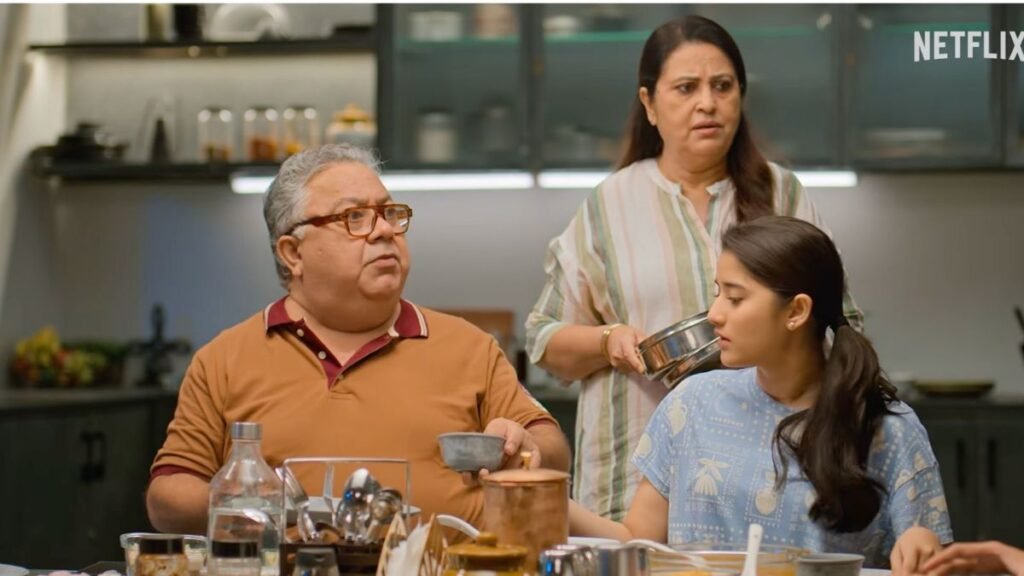
The narrative focuses on the Sikka family living in an old house brimming with memories and established ties to the neighbourhood. Goggi (Manoj Pahwa), his wife Sukhi (Neelu Kohli) and their daughter Mahi (Aurra Bhatnagar Badoni) have lived a life of comfort in familiar surroundings. He is his son Ansh (Mihir Ahuja), who has been living in Norway for a few years, and wants his parents to have a better life. For this purpose, he buys a fancy apartment for them thinking it will help his family to have a better future. But his parents are emotionally bound up in their present home and they are not ready to move from where they have lived for years.
It gets complicated when Ansh heads back to India for Diwali to find his parents have not moved into the new apartment. Rather, they have remained in their previous house, leading as if everything was exactly as he planned. It is a bit of a paradox that a child’s concern is in opposition to the happiness of the parents. The movie, which was written by the director’s wife, Ritu Mago, addresses a vital query: Is a better lifestyle necessarily a better life? It is central theme that is relatable, but the screenplay could have gone more into the emotional aspects of the family.
Manoj Pahwa and Mihir Ahuja Lead the Cast
One of the most fun things about Dilwali Diwali is the performances. Manoj Pahwa’s natural comedy and emotional warmth brings the story alive and Mihir Ahuja has the perfect young man who really wants to make his parents happy. The conflicting points of view form the main emotional dilemma in the film. The Sikka family is adequately supported by Neelu Kohli and Aurra Bhatnagar Badoni, who make them seem like a plausible family, rather than a cast of characters put together for the plot.
The supporting performances also aid in creating the overall Punjabi family environment of the film. Familiar replaces mundane in the everyday family conflicts and little conversations between the actors. The better moments of the film are found in some of the more pedestrian interactions that take place between members of the family, instead of relying on any dramatic encounters. The short screenplay however doesn’t allow enough time to develop every character. There are some interesting emotional prospects that are left unexploited, in particular if the story relates to the hopes and own objectives of women in a family.
Manoj Pahwa as Goggi: Manoj Pahwa is arguably the film’s strongest performer. His portrayal of Goggi combines light-hearted humour with the emotional attachment of a father who does not want to abandon his familiar surroundings. His expressions and natural dialogue delivery make the character convincing. He handles both comic and emotional situations comfortably.
Mihir Ahuja as Ansh: Mihir Ahuja brings sincerity to Ansh, a son who believes that providing a luxurious apartment is one of the best ways to care for his parents. His performance captures the character’s intentions and disappointment without making him appear insensitive. He effectively represents the younger generation’s understanding of progress and comfort.
Neelu Kohli as Sukhi: Neelu Kohli adds warmth to the film through her portrayal of Sukhi. Her character represents parents who value familiar relationships and emotional security over material improvements. The film briefly introduces her personal aspirations, but unfortunately, this interesting side of her personality does not receive enough attention.
Aurra Bhatnagar Badoni as Mahi: Aurra Bhatnagar Badoni provides capable support as Mahi. She contributes to the family dynamic and helps maintain the film’s light-hearted atmosphere. Although her character has limited scope, her presence adds another dimension to the Sikka household.
Direction and Cinematic Presentation Support the Story
Ritesh Menon approaches Dilwali Diwali as a small-scale family drama rather than an elaborate festive spectacle. His direction keeps the focus on relationships, everyday conversations and the contrast between an old neighbourhood and a modern apartment. The film’s Punjabi cultural flavour is established through familiar food, family interactions and local surroundings. The opening moments, particularly Goggi’s conversations with friends over chole bhature, help create a relaxed and recognisable atmosphere.
The cinematography by Aniruddha Patankar supports the film’s grounded presentation, while the editing keeps the narrative moving within its short runtime. Since the story revolves around a family conflict rather than action or visual spectacle, elaborate effects are not necessary. The production design also helps distinguish the emotional familiarity of the old home from the comfort offered by the new apartment. However, the direction could have allowed certain scenes to develop more naturally instead of moving quickly towards the next emotional development.
Music and Background Score Add to the Experience
The music is secondary to the overall theme and has a supporting role in Dilwali Diwali, which is set in a festive family atmosphere with an emotional narrative. The film includes the track ‘Ghar Lagda’ which has a direct relation with its main concept of finding comfort and belonging in familiar surroundings. The film’s music is handled by Harshdeep Kaur, Jelly Manjit Puri, Gurdeep Singh, Garvit Soni and others. The songs are not used as a means of celebrating the story, but they add to the warm and festive feel of the story.
Advait Nemlekar is seen to have contributed the background music which aided the emotional moments and kept the film at a low tempo. The musical presentation is appropriate for a story that revolves around family relationships, nostalgia and celebrations at Diwali. Despite this, the soundtrack in and of itself is not the highlight of the film. The best moments of emotion are from the actors and their interaction, with the music acting as a support to the story.
What does the Critics’ Review tell you about the film?
The reviews of Dilwali Diwali have been mixed with praise for the stories being relatable and the performances being great, but they did complain about the speed of the movie’s storytelling. The Times of India has given the film 2.5 out of 5 stars, giving praise to the emotional story of the film and to Manoj Pahwa’s performance. The review noted, however, that the writing is still very light and lacks proper development of some of the key character relationships. The Hindustan Times had also given the movie a 2.5 rating out of 5, while Scroll.in rated it a 3.5.
The 61-minute movie was lauded by The Hollywood Reporter India as a “tender family drama” with “a familiar festive atmosphere. Bollywood Hungama too gave it 2.5 out of 5, and were pleased with its sweet and relatable idea but found its extremely short duration to be a drawback. In summary, the critical response concludes that the film does a good job of delivering a message about family but that it falls short in the delivery.
What if it had been different?
The biggest weakness of Dilwali Diwali is its screenplay. This is where parents can not only refuse to move to their new home but can twist the deal to result in more emotional narrative. But the film doesn’t take its time in developing its main story. Further meaningful discussions could have been had to explore the differences between Ansh’s expectation and his parents feelings. Likewise, Sukhi’s own agenda raises an intriguing topic which, again, is underdeveloped. The family relations would have been a bit stronger if he could have added a little more character development.
Another downside is the length of the movie at 61 minutes. While a short film can be a fully rounder, satisfying narrative, several key moments in Dilwali Diwali seem underdeveloped. There was some dialogue that could’ve been extended in some of the emotional moments and more space for some of the final developments. The competition also becomes predictable in some places, and takes away the impact from its main message. This was a nice family drama but could have been a lot more fun if it had been paced a little better and the script had been a little more detailed.
Final Verdict: Is Dilwali Diwali Worth Watching?
Dilwali Diwali is a straightforward film made by a family and has compelling moments and moments of authenticity. Manoj Pahwa is the Goggi and Mihir Ahuja is the honest one in Ansh. Ritesh Menon keeps things warm and familiar and Neelu Kohli and Aurra Bhatnagar Badoni give a nice support. The film’s storytelling is complemented by the cinematography, production design, and background music, with the screenplay and brief runtime not allowing for the film to fully develop its emotion potential.
Frequently Asked Questions
Q1. When was Dilwali Diwali released?
Dilwali Diwali was released in theatres on 5 November 2026.
Q2. Who plays the lead role in Dilwali Diwali?
Manoj Pahwa plays Goggi, alongside Mihir Ahuja as Ansh.
Q3. Who directed Dilwali Diwali?
Ritesh Menon directed the Hindi family drama Dilwali Diwali.
Q4. What is Dilwali Diwali about?
The film explores family bonds, home, memories, and generational differences.
Q5. What is Dilwali Diwali’s critic rating?
The Times of India gave the film 2.5 stars.
Disclaimer: This review represents TwikUp’s independent editorial assessment based on the film’s available information and published critics’ reviews. The opinions expressed are subjective, and individual viewing experiences may differ.
Also read:
Kaali Kheti Movie Review: Jackie Shroff and Sharad Kelkar Deliver a Chilling Horror Experience