

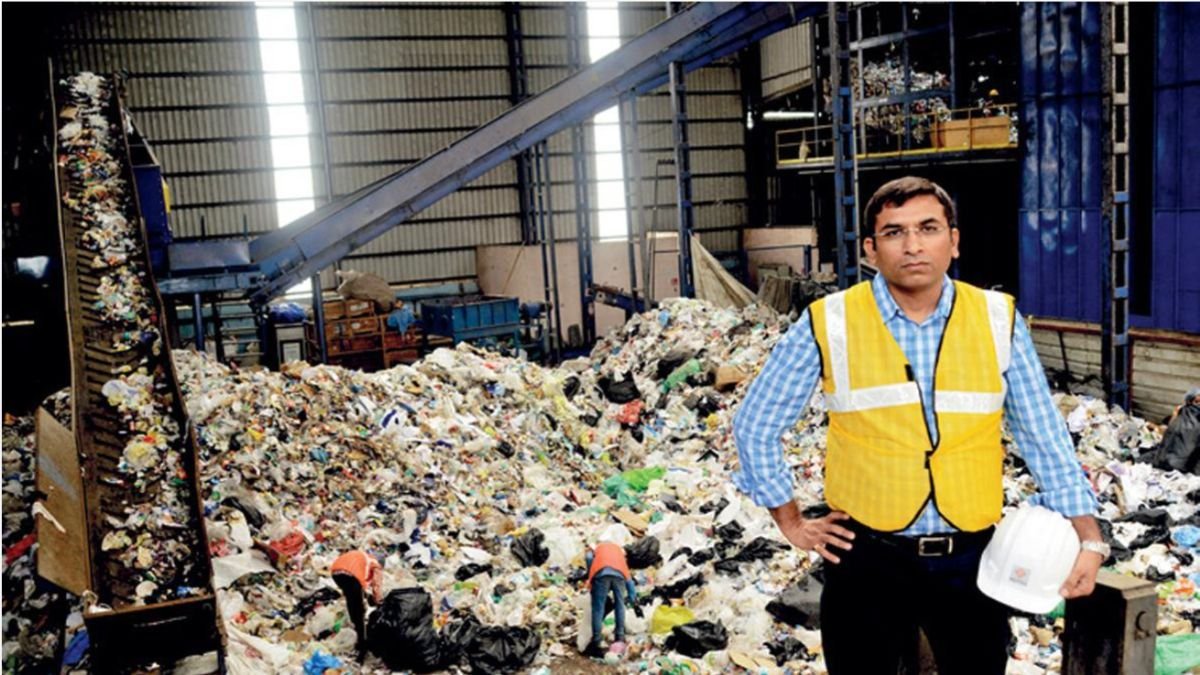
NEPRA Raises ₹110 Crore: Ahmedabad-based waste management company NEPRA, which operates under the brand name NEPRA – Let’s Recycle, has secured ₹110 crore in equity funding from the Private Infrastructure Development Group (PIDG). The investment, made through PIDG’s project development arm InfraCo, will help the company expand its waste-processing infrastructure and increase its plastic recycling capacity across India. The announcement marks PIDG’s first equity investment in the waste management and recycling sector in Asia.
The funding comes at a time when India’s growing cities are generating increasing volumes of municipal waste, putting pressure on existing collection and recycling systems. NEPRA plans to use the investment to build new material recovery facilities, strengthen its existing operations and expand plastic recycling. Its expansion plans could also create employment opportunities while supporting India’s wider shift towards more organised and sustainable waste management.
Why Has NEPRA Raised ₹110 Crore in Funding?
NEPRA has established an integrated waste management company, which encompasses different steps of the recycling process, including collection, segregation, material recovery and recycling. Unlike most companies, NEPRA is concerned with recovery of valuable materials rather than just disposing of the waste. This method could lead to less recyclable material being dumped into landfills as well as a more structured dry waste management system.
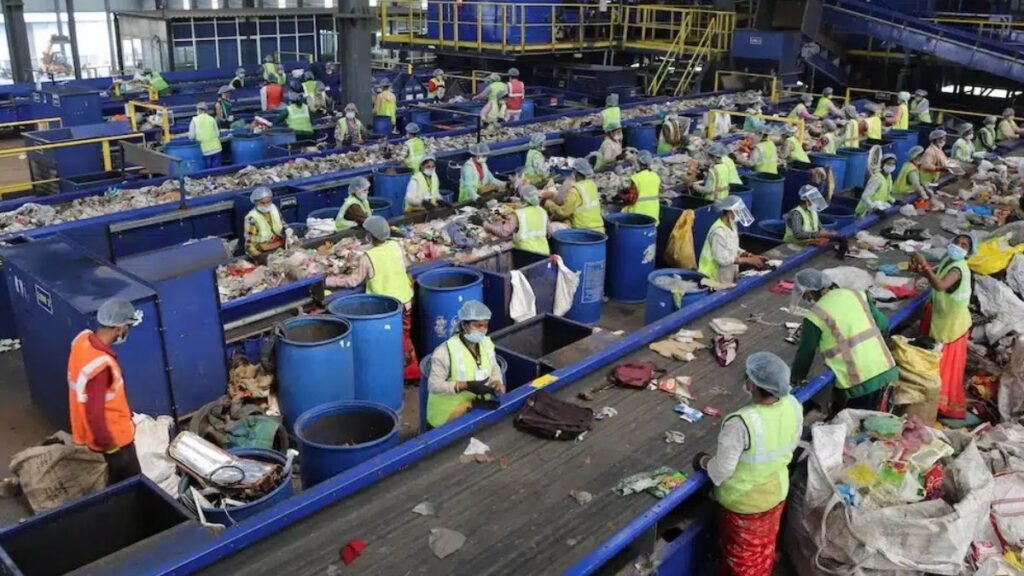
This investment of ₹110 crore will allow NEPRA to continue its growth. As per PIDG, the investment will be used for the development of new material recovery facilities, enhancement of plastic recycling capacity, strengthening of existing activities and working capital financing. The new partner is joining NEPRA’s existing investors list that includes Aavishkaar Capital, Circulate Capital, Blue Earth Capital and Asha Impact.
How Will the Funding Help NEPRA Expand Its Recycling Business?
The other primary focus of expansion by NEPRA is increasing their current daily waste processing capability to 1,880 tonnes from around 900 tonnes. This will be a more than doubling of their current capability. The company plans to construct new facilities to assist in the process of handling more volume of waste.
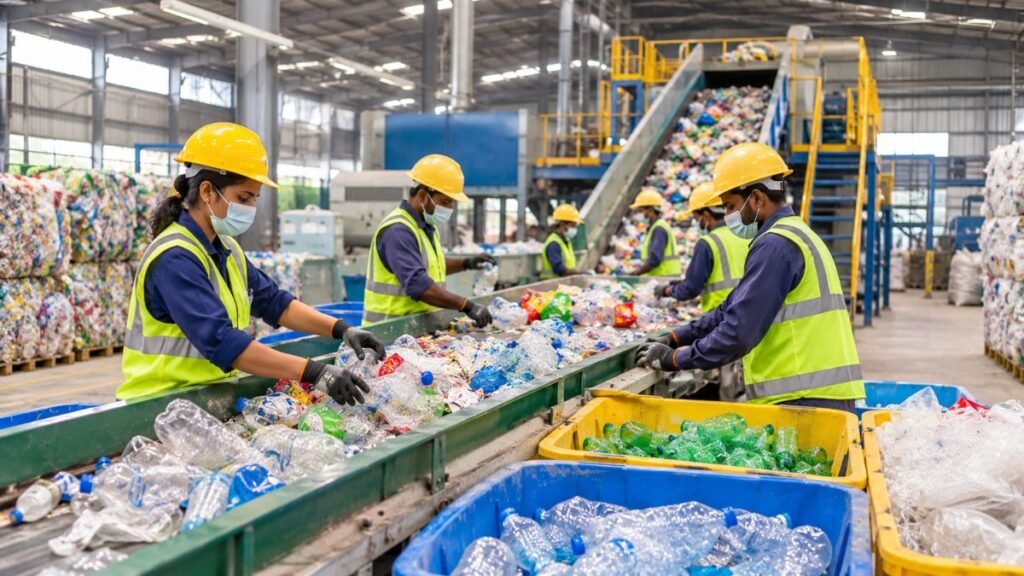
Recycling of plastic is yet another key objective in the company’s strategy of expansion. Their annual plastic recycling capability will be increased to 18,000 tonnes from about 6,200 tonnes. This is significant due to the challenge that the company faces from plastic waste which continues to pose a challenge in the urban waste management systems.
5 Key Highlights
- Funding amount: NEPRA has secured ₹110 crore, approximately $11.7 million, in equity funding.
- Investor: The investment comes from PIDG through its project development arm, InfraCo.
- Processing target: The company plans to increase daily waste-processing capacity from around 900 tonnes to 1,880 tonnes.
- Plastic recycling: Annual plastic recycling capacity is expected to rise from 6,200 tonnes to approximately 18,000 tonnes.
- Employment opportunities: The expansion is expected to support around 1,620 short-term jobs and 420 long-term operational roles.
What Does PIDG’s Investment Mean for India’s Recycling Industry?
The investment made by PIDG is much more than monetary. The deal is the company’s first equity stake in the waste management and recycling space in Asia, the company said. The move is its support for NEPRA, which has seen increased investor appetite in companies that not only have commerce but also address environmental and infrastructure issues. This may provide a glimpse into the recycling industry in India that waste recovery can be done and be institutionalized in the long run.
The project data of PIDG indicates that India produces over 60 million tonnes of MSW per year. This volume cannot be managed with just collection vehicles and disposal sites. Cities require dependable systems for segregation, as well as material recovery facilities or businesses that can process the wastes of scale. Investment in companies like NEPRA can contribute to bolstering this infrastructure, but the broader effects will rely on the implementation and the local waste collection system, as well as the availability of appropriate recycling markets.
Will NEPRA’s growth generate new jobs?
Business growth will also benefit workers in waste collection, processing and recycling operations, and related facilities and infrastructure. According to the figure from the PIDG, the project has the potential to create approximately 1,620 temporary jobs and 420 permanent operational positions. About 40% of the permanent jobs will be female. These statistics show that investing in recycling infrastructure can go beyond creating industrial capacity.
The other crucial aspect is the possibility of formalization for the informal waste-pickers. The majority of those who collect and sort recyclable waste materials do not have access to safer conditions, nor to regular reporting mechanisms for payment. PIDG says the project will help informal waste pickers get fair prices, process digital payments and get better working conditions. The benefits, however, will be dependent on the extent to which these measures are put into practice as NEPRA continues its expansion efforts.
What Challenges Could NEPRA Face as It Scales?
There’s more to expanding waste-processing capacity than just more facilities. Recycling companies require a reliable and streamlined supply of segregated waste, along with the availability of markets for recycled products. When the materials are not properly segregated at the source, processing costs and quality of the recyclable product can rise. In order to expand waste collection and separation, NEPRA will have to enhance its activities in collection and segregation.
The company will also have to cope with the financial and operational needs of a bigger company. New facilities need investment, skilled employees, maintenance of equipment, and supply chains. The demand for and the prices of recycled materials can also fluctuate for plastic recycling companies. While the investment of ₹110 crore is crucial for scaling up the business, it will be vital to see how well NEPRA can navigate these hurdles in the years to come in order to reach the announced targets.
Final Verdict: What Does NEPRA’s Funding Mean for India’s Startup Ecosystem?
NEPRA’s ₹110 crore investment is an important development for India’s waste management and recycling sector. The company plans to more than double its daily waste-processing capacity and nearly triple its annual plastic recycling capacity. The funding from PIDG also highlights the growing interest of institutional investors in businesses working on environmental infrastructure. Alongside its expansion targets, the project carries the potential to support employment and improve working conditions for people involved in waste recovery.
From TwikUp’s editorial perspective, this development deserves attention because it shows how Indian startups can address practical problems while building businesses with long-term growth potential. NEPRA’s progress will depend on execution, access to recyclable materials and demand for recovered products, so the funding should be viewed as an opportunity rather than a guarantee of success. For young entrepreneurs, the story offers a useful reminder that innovation is not limited to apps or artificial intelligence. Businesses solving everyday problems in recycling, infrastructure and sustainability can also attract serious investment.
Frequently Asked Questions
Q1. How much funding did NEPRA raise?
NEPRA secured ₹110 crore in equity funding from PIDG.
Q2. Who invested in NEPRA?
Private Infrastructure Development Group (PIDG) provided the latest investment.
Q3. What does NEPRA do?
NEPRA collects, sorts, and recycles dry waste across India.
Q4. How will NEPRA use the ₹110 crore funding?
The funding will expand recycling facilities and strengthen operational capacity.
Q5. How much waste does NEPRA aim to process daily?
NEPRA aims to increase daily processing capacity to 1,880 tonnes.
Disclaimer: This article is based on publicly available company and investor announcements and media reports. Funding commitments and expansion targets are not guarantees of future business performance.
Also read:
Ankit Agarwal Success Story: How Phool Turns Temple Waste Into Business